
How To Modernize SCADA Systems Without Disrupting Operations
Tamazari Shares Practical Tips on What It Takes to Keep Critical Systems Running
Critical Infrastructure Does Not Have a Pause Button
SCADA modernization is often described as a technology upgrade. In reality, it is closer to performing surgery while the patient is awake, walking, and carrying millions of people through daily life. That is the pressure behind live-system modernization. Public sector infrastructure like Rail lines, water plants, substations, airports, and public facilities do not get to pause operations while teams install something better underneath them.
Why Live SCADA Modernization Is Becoming Urgent Now
The pressure to modernize is rising because older operational systems are being asked to do far more than they were originally built to handle. Many SCADA and operational technology environments were designed for reliability first. That made sense at the time. The priority was uptime, stability, and keeping essential services moving.
But today, those same systems are being asked to support modern cybersecurity controls, remote access expectations, and real-time reporting. Also, many legacy systems do not easily support modern protections like multi-factor authentication or advanced encryption. That's the legacy trap. The system still works, so replacing it feels risky. But the longer it stays in place, the harder it becomes to secure, integrate, monitor, and maintain.
From the outside, the advice sounds simple. Patch the system. Replace the interface. Segment the network. Inside a live operational environment, none of that is simple. A legacy SCADA environment is like an old bridge that still carries traffic every day. You cannot close every lane and rebuild from scratch. But, you also cannot ignore the cracks forever.
What a Serious Live-System Modernization Plan Needs
A credible SCADA modernization plan should read less like a software installation plan and more like an operational continuity plan. It starts with current-state visibility. Teams need to know what exists before they change it. From there, every change should be mapped to the people, sites, assets, shifts, service windows, and public-facing outcomes it could affect.
1. Understand the System Before Changing It
Modernization starts with current-state visibility. Teams need to understand what equipment, applications, communications networks and operational workflows exist—and how they depend on one another. Before making changes, identify which assets, facilities, shifts and essential services could be affected. This helps teams prioritize upgrades and anticipate risks that might otherwise surface during implementation.
2. Test Before Transitioning
Where feasible, new systems should be validated alongside existing operations before production cutover. Testing should reflect real operating conditions, including alarms, data integrity, historian functions, dashboards, failover, cybersecurity access and operator workflows. Control functions also require careful validation to prevent conflicting commands or unintended equipment behavior. The goal is to identify problems in a controlled environment rather than during live operations.
3. Plan for Continuity and Recovery
Even a carefully tested upgrade needs a contingency plan. Teams should establish maintenance windows, transition procedures, recovery options and clear decision-making responsibilities before implementation begins. Where technically feasible, rollback procedures should be defined and tested. The objective is to minimize disruption and ensure teams know how to respond if something does not go according to plan.
4. Design Around the People Running the System
Modernization has to work for the people responsible for keeping infrastructure operational.
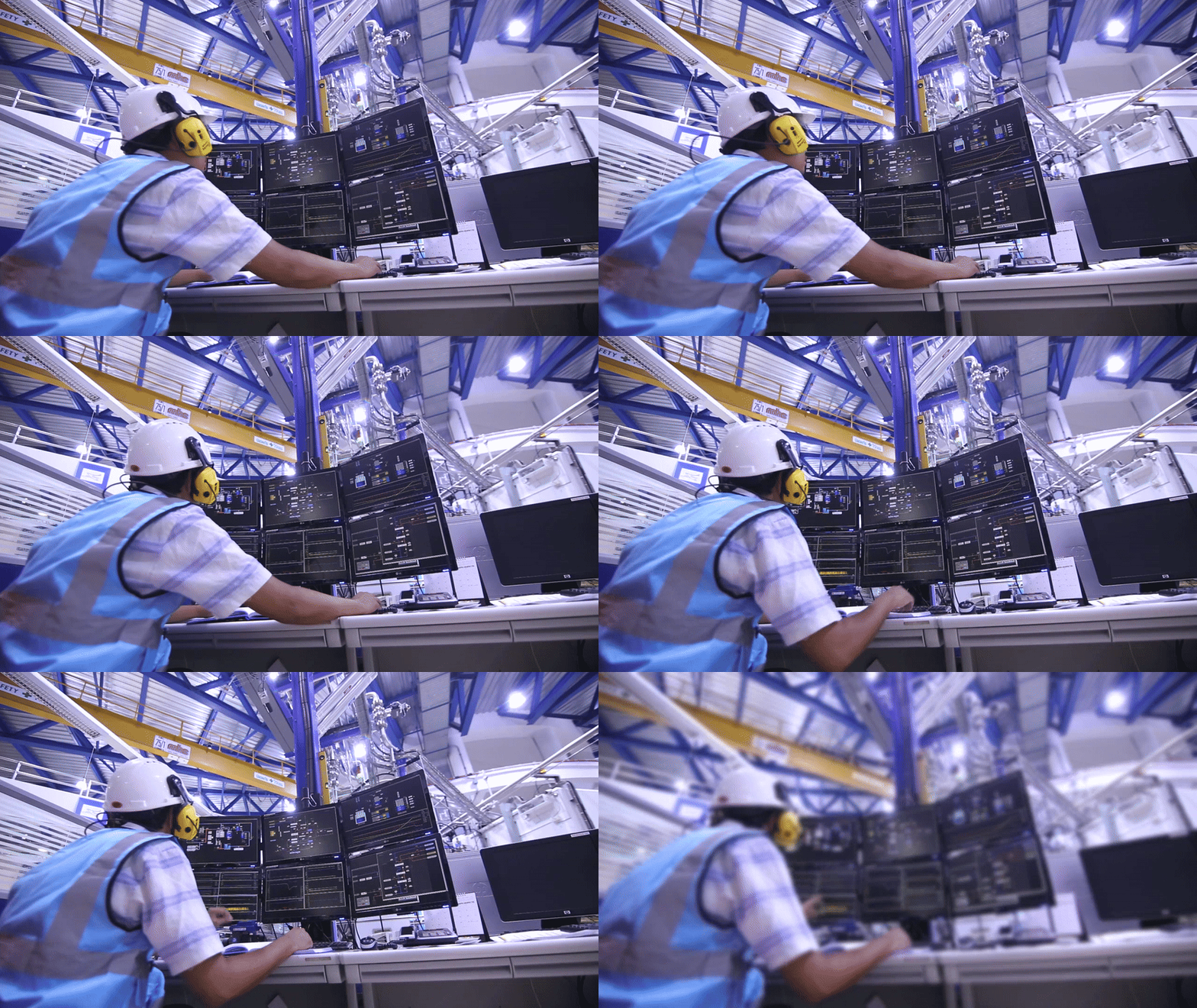
A modern human-machine interface (HMI) is only useful if operators can quickly understand what is happening and respond when something goes wrong. That means involving operators early, validating workflows under realistic conditions and preparing teams for changes in how they monitor, control and maintain equipment. The interface needs to reflect operational reality, not just the software architecture.
SCADA Is Invisible Until It Fails
The same challenges of live modernization show up across public infrastructure. Different sectors. Same modernization truth. The system cannot stop. How do you modernize without disrupting what still works?
Tamazari handles the how. We help organizations modernize complex operational environments with structure, technical fluency, governance, and execution discipline.
Learn more about our SCADA modernization services.
About Tamazari
Tamazari is a minority-, veteran-, woman-owned professional services firm and execution consultancy serving utilities, fleet operators, public agencies and critical infrastructure organizations across the U.S. Our work spans energy IT, SCADA, GIS, ERP/SAP, enterprise modernization, telecom infrastructure, data centers and fleet telematics.
